Boost Your Content: How Soundboard Software Transforms Live Interactions
In the dynamic world of online content creation, live streaming, and virtual communication, capturing and maintaining audience attention is paramount. While stunning visuals and compelling dialogue often take center stage, there's an unsung hero working behind the scenes to elevate engagement and personality: the sound board. More than just a simple audio player, modern soundboard software is a powerful tool revolutionizing how creators and communicators interact in real-time, adding layers of humor, impact, and professionalism with a single click.
Imagine dropping a perfectly timed meme sound effect during a tense gaming moment, introducing your podcast with a custom jingle, or injecting a bit of levity into a virtual meeting. This isn't complex audio engineering; it's the intuitive power of a soundboard. These versatile programs allow users to instantly trigger a curated library of audio clips, transforming ordinary interactions into memorable experiences. For a deeper dive into their core functionality, consider exploring Defining Soundboards: Instant Audio for Gaming & Streaming.
What Exactly is Soundboard Software?
At its core, soundboard software is a computer program, web application, or even a dedicated hardware device designed to catalogue and play short audio clips on demand. Think of it as a digital control panel for your favorite sound effects, music snippets, voice recordings, or even viral meme audio. Unlike a standard media player that streams a single track or a playlist sequentially, a sound board is built for instant, reactive playback.
Users typically trigger these clips using customizable buttons on a graphical interface, keyboard hotkeys, or mouse clicks. This immediate access is critical, as it allows for seamless integration into live scenarios without disrupting the workflow. Modern implementations boast user-friendly interfaces, often featuring a grid or list layout, and support a wide array of popular audio formats like MP3, WAV, AAC, OGG, and FLAC. Beyond simple playback, many sound boards offer essential controls such as individual volume mixing, basic EQ adjustments, and even the ability to layer multiple sounds simultaneously for a richer audio tapestry.
It’s important to distinguish soundboard software from more complex tools like Digital Audio Workstations (DAWs). While DAWs are designed for multi-track composition, recording, and advanced audio processing, sound boards prioritize instant, one-click playback. Their evolution from early Adobe Flash creations to today's HTML5-powered applications with low-latency performance is a testament to their growing utility. To learn more about this fascinating journey, check out From Flash to Hotkeys: The Evolution of Modern Soundboards.
The Game-Changing Impact of Sound Boards in Live Content
The true power of a sound board lies in its ability to inject personality, interactivity, and production value into live communications. Its applications span a wide spectrum of digital interactions, making it an indispensable tool for content creators and online communicators alike.
Gaming & Streaming: Elevating the Entertainment Factor
- Instant Reactions and Humor: For gamers and streamers, a sound board is a secret weapon for real-time engagement. Whether it’s a perfectly timed "oof" sound effect after an in-game blunder, a triumphant fanfare for a clutch play, or a viral meme audio that resonates with chat, these sounds amplify humor and emotional responses. They work seamlessly with VoIP software like Discord or even directly within game chats, allowing streamers to react without breaking character or interrupting gameplay.
- Audience Interaction: Many streamers use sound boards to interact directly with their community, allowing viewers to "redeem" specific sounds using channel points or donations, fostering a dynamic and collaborative environment.
- Branding and Identity: Custom sounds can become part of a streamer's brand, making their content instantly recognizable and more memorable.
Podcasting: Polishing Professionalism and Pacing
- Seamless Transitions and Intros/Outros: Podcasters, whether recording live or editing post-production, leverage soundboards for intros, outros, segment transitions, and background music. This ensures smooth flow and a professional polish that captivates listeners.
- Sound Effects for Storytelling: Beyond music, specific sound effects can enhance narrative, provide context, or simply add a touch of whimsy to a segment, making the listening experience more immersive.
- Live Event Enhancement: For live podcast recordings or virtual radio shows, a sound board enables hosts to trigger jingles, listener call-ins, or ad breaks with precision, maintaining a high level of production quality.
Virtual Meetings & Online Communication: Breaking the Monotony
- Adding Personality to Professional Settings: While caution is advised, a well-placed, appropriate sound effect can lighten the mood in a long virtual meeting, celebrate a team win, or even serve as a non-verbal reaction (e.g., a short applause).
- Icebreakers and Engagement: In less formal settings, like online classes or community calls, soundboards can be fantastic icebreakers, encouraging participation and making the virtual space feel more dynamic and less rigid.
- Quick Reactions: Instead of typing "LOL," a quick, subtle laugh track can convey emotion instantly, adding a more human element to text-based communication.
Maximizing Your Mojo: Advanced Features and Integration for the Savvy Creator
While the basic function of a sound board is straightforward, many modern applications offer sophisticated features that unlock even greater creative potential and streamline workflow:
- Robust Integration: Top-tier soundboard software often integrates directly with digital audio workstations (DAWs) for complex setups, and crucially, with popular VoIP applications like Discord and dedicated streaming software (OBS Studio, Streamlabs Desktop). This allows for low-latency playback directly into your microphone feed or streaming mix.
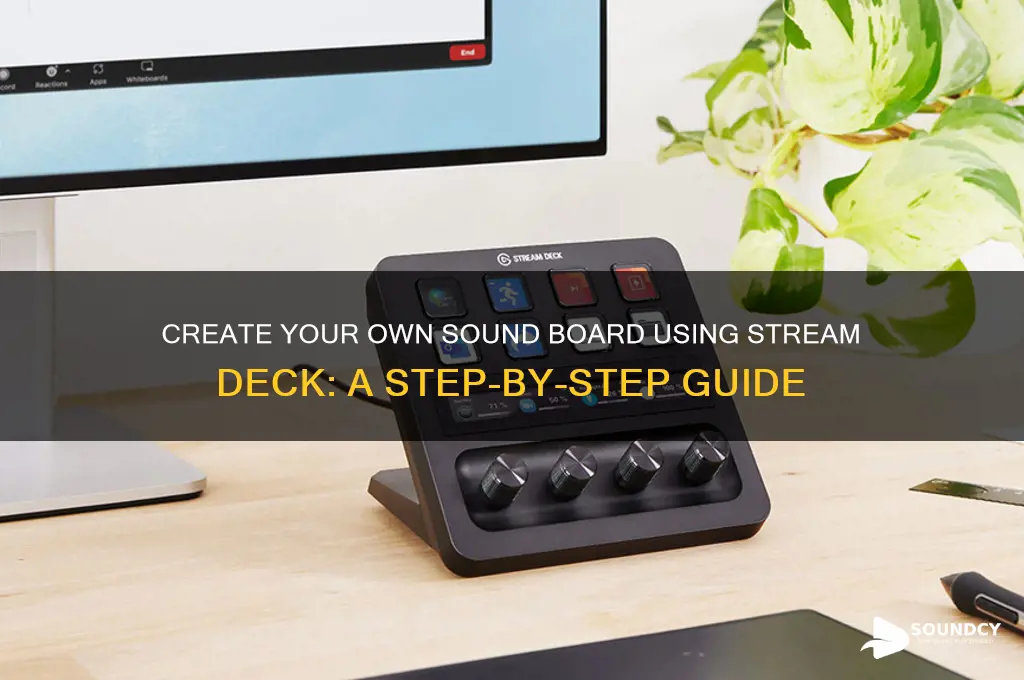
- Hardware Synergy: For ultimate control, many sound boards can be mapped to external hardware controllers, such as MIDI controllers or dedicated stream decks (like the Elgato Stream Deck). This physical interface provides tactile feedback and allows creators to trigger sounds without looking away from their main screen.
- Customization and Management: Advanced sound boards feature intuitive drag-and-drop interfaces for easily importing and organizing audio files. They offer extensive customization for hotkey assignments, allowing users to create a personalized layout that fits their workflow perfectly. Search functionalities make managing extensive audio libraries a breeze.
- Community Content: Platforms like Voicemod leverage vast communities, offering access to thousands of user-created sound boards filled with legendary internet classics, viral audio trends, and niche sound effects. This allows users to quickly find and integrate popular memes like "Bongo Cat," "Bruh," or "Among Us" sound clips into their content.
- Performance Optimization: For demanding applications, professional sound boards are engineered for low-latency performance, ensuring that sounds trigger instantly without noticeable delay. Users should always check OS compatibility and consider their system's resource needs, especially when running multiple demanding applications simultaneously.
Choosing Your Perfect Audio Companion: Tips for Selecting a Sound Board
With a plethora of options available, selecting the right sound board software can seem daunting. Here are some factors to consider:
- Operating System Compatibility: Ensure the software supports your OS (Windows, macOS, Linux).
- Feature Set vs. Needs:
- Basic User: If you just need simple playback, a free, lightweight option like EXP Soundboard might suffice.
- Streamer/Podcaster: Look for integration with streaming software, low latency, and extensive hotkey customization. Tools like Voicemod or software complementing the Elgato Stream Deck are excellent choices.
- Professional Creator: Consider options with advanced audio controls (EQ, layering), DAW integration, and hardware controller support.
- Ease of Use: A drag-and-drop interface and intuitive setup can save you a lot of time and frustration.
- Audio Library & Community: Does the software come with pre-loaded sounds, or does it offer access to a community-driven library? The availability of meme sound boards can be a significant draw.
- Cost: Options range from completely free and open-source to subscription-based premium software. Evaluate whether the added features justify the price. Many commercial options offer free trials to help you decide.
- Latency: For live interactions, low latency is crucial. Read reviews or test free versions to ensure sound triggers instantly.
By carefully considering these points, you can find a sound board that not only meets your technical requirements but also enhances your creative expression.
In conclusion, the evolution of the sound board from a simple digital toy to a sophisticated tool has profoundly impacted how we create and consume online content. By offering instant access to a vast array of audio clips, it empowers content creators, streamers, podcasters, and even casual communicators to infuse their interactions with personality, humor, and professional polish. Investing in the right sound board and mastering its use can significantly boost your content's engagement, making every live moment more memorable and impactful.